
Time, Money and what the tally leaves out
Pink Floyd turns clocks and coins into music. What happens when counted time meets the life we live—and the decisions we cannot make alone?
What does treating time as money explain, and what does it leave out of lived life and control over our time?
Through the lens of E. P. Thompson · Karl Marx · Henri Bergson

The clocks in Time interrupt our listening before any explanation. After the shock, the introduction still takes time to reach the singing. On The Dark Side of the Moon, from 1973, Pink Floyd confronts us with someone who realizes they have spent years waiting for life to begin. Time advances even while the decision seems suspended. What organized that life while it seemed to be postponed?
One reading could turn this into a demand: get up early, use every minute, stop wasting your youth. But the song also allows a less comfortable question: who taught the narrator to wait, and what organized those days of waiting? Lost time need not be explained solely as a failure of will.
E. P. Thompson investigated industrialization and the discipline of working time, especially in the English experience. In his account, the clock helped form routines and a concern with saving time, and it did not belong only to employers: later generations of workers fought for a ten-hour day and then for overtime pay. They had learned, he writes, that time is money “only too well.” Counting hours imposed a discipline and also made a limit claimable. Applying this to the song is our interpretation, not a statement of Pink Floyd’s intent.
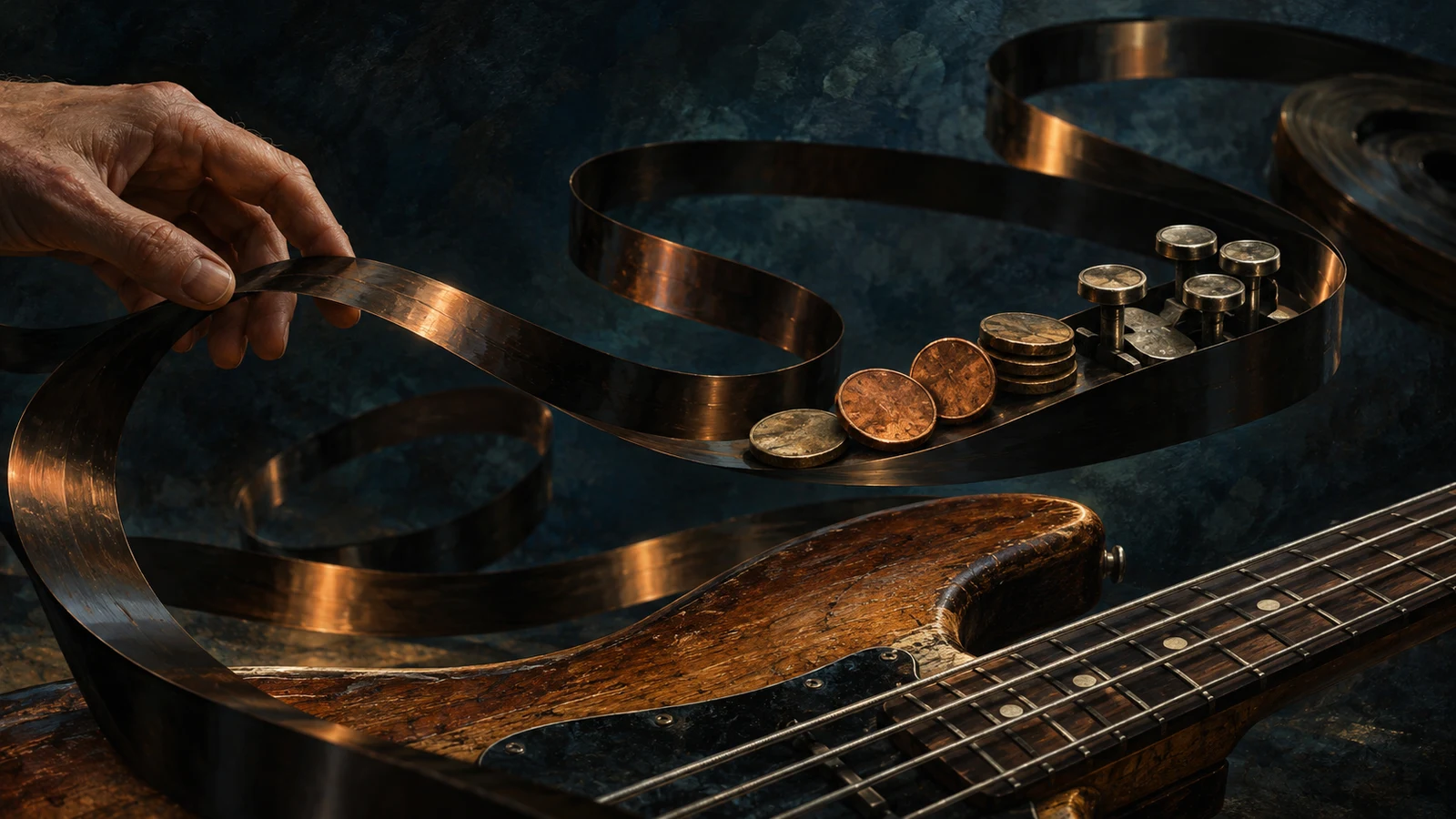
In Money, coins and a cash register enter a loop that becomes music. The bass moves through seven beats to the bar; the solo shifts to four. There is pleasure in that movement. The voice wanting comfort, distinction and protection of its own money allows an ironic reading: listeners can recognize greed and still want to stay inside that sound. The criticism happens within desire.
Marx helps make the relationship more precise. In Capital, the worker sells labour-power for a specified period, under particular historical conditions. Time and money meet in a social relation; they are not identical substances. Asking what an hour is worth leaves another question open: who has the use of it, and under what necessities? Not everyone can simply choose to exchange income for leisure.
The album widens this conflict. The electronic race of On the Run, the wordless voice of The Great Gig in the Sky and the divisions of Us and Them keep life from appearing as merely a badly managed individual schedule. In this listening, haste, mortality and social separation run through the same experience.
Crazy Train, from Ozzy’s solo album Blizzard of Ozz, released in 1980, offers a connection. Its energy coexists with a voice surrounded by hostility, conditioning and an inherited Cold War. The image of a journey out of control shifts blame beyond the individual: someone can take part in the movement without choosing the conditions driving it. This is a conversation we propose between songs, not an influence we claim.
Black Sabbath’s War Pigs, on Paranoid, makes explicit the distance between those promoting war and those sent to fight it. This turn toward collective decisions allows a connection with Megadeth’s Rust in Peace without making the records the same declaration.
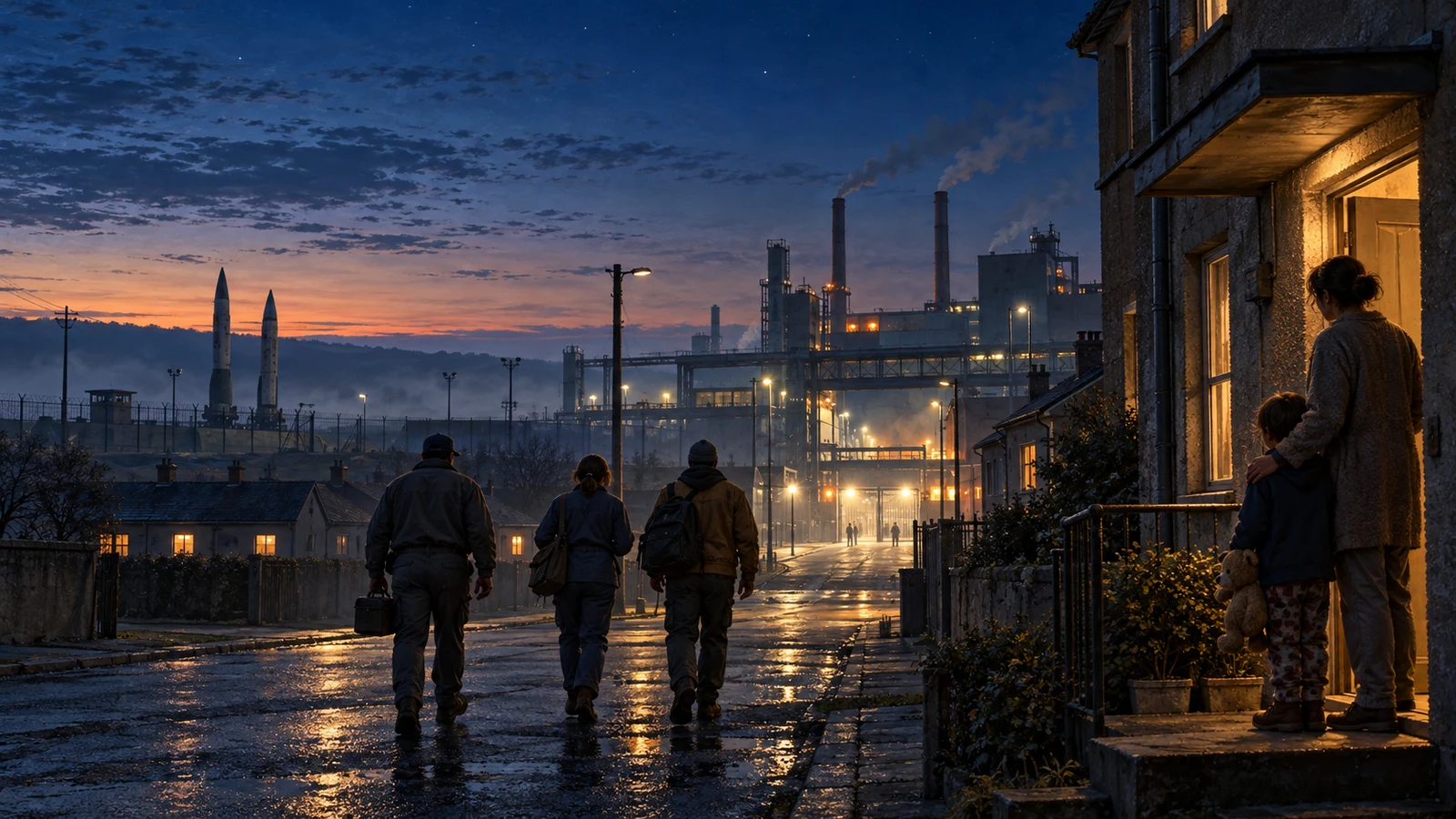
In Dawn Patrol, the routine of going to work persists in a ruined environment. In Rust in Peace… Polaris, the nuclear threat is personified as power over humanity. In this connection, the future can be compromised by decisions beyond those who will suffer their consequences. Managing one’s hours meets the conditions under which a life can continue.
Zeitgeist, on 13, released in 2013, answers the clocks with a different time. Its title means the spirit of an age, yet the song brings no alarm and no count: its acoustic texture and images of travel through the universe recall the drift of Planet Caravan, which Sabbath recorded on Paranoid more than four decades earlier. Here time is neither spent nor saved; it passes. An hourly tally cannot register that, and the song does not offer it as an escape: crossing space does not ensure a safe arrival.
Bergson offers a third distinction. In Time and Free Will, lived duration involves states that permeate one another; a melody helps us think about this continuity. Counting notes does not exhaust the phrase we hear. Bringing this close to Time and Zeitgeist lets us ask how music gives form to passage, waiting and drifting.
There is an objection this reading must bear. The record is also a commodity, and we can consume its unease as an image of critical sensibility. Liking Money does not prove that we confront the relations it lets us question. Its commercial value does not settle the work’s meaning either. The tension remains in listening and what we do with it.
A record’s minutes can be counted. The count does not tell us what happened during them: a memory, a discomfort, the recognition of a routine. The question can begin with the time we can choose, what we need to negotiate and the collective decisions that make that time possible or threaten to interrupt it.
Sources
- Pink Floyd — The Dark Side of the Moon, official album page
- Ozzy Osbourne — Crazy Train, official track and lyrics
- Black Sabbath — Paranoid, official album and lyrics
- Black Sabbath — 13, official album page
- Black Sabbath — Zeitgeist, artist recording
- Megadeth — Rust in Peace, official album and lyrics
- E. P. Thompson, Time, Work-Discipline, and Industrial Capitalism — journal introduction and context
- Karl Marx, Capital I, chapter 6 — purchase and sale of labour-power
- Henri Bergson, Time and Free Will, chapter II — duration and melody
What changed
- — The essay now gives counting time its due: through Thompson, workers who learned that time is money used the clock to claim limits on their hours. Zeitgeist now answers the clocks with a time that is neither spent nor saved. Removed two repeated caveats and two sources the text did not use.
What would change our reading?
A closer reading of the recordings could show that their formal contrasts and narrative voices do not support these connections. Further historical context could change a local interpretation. This reading makes no claim that the bands shared a philosophy or that listening produces a measurable change in conduct.