← All carousels

Which animals did ancient civilizations worship?

Seven cultures, seven sacred creatures — and the beliefs that made them untouchable.
Cover — which animals did ancient civilizations worship?
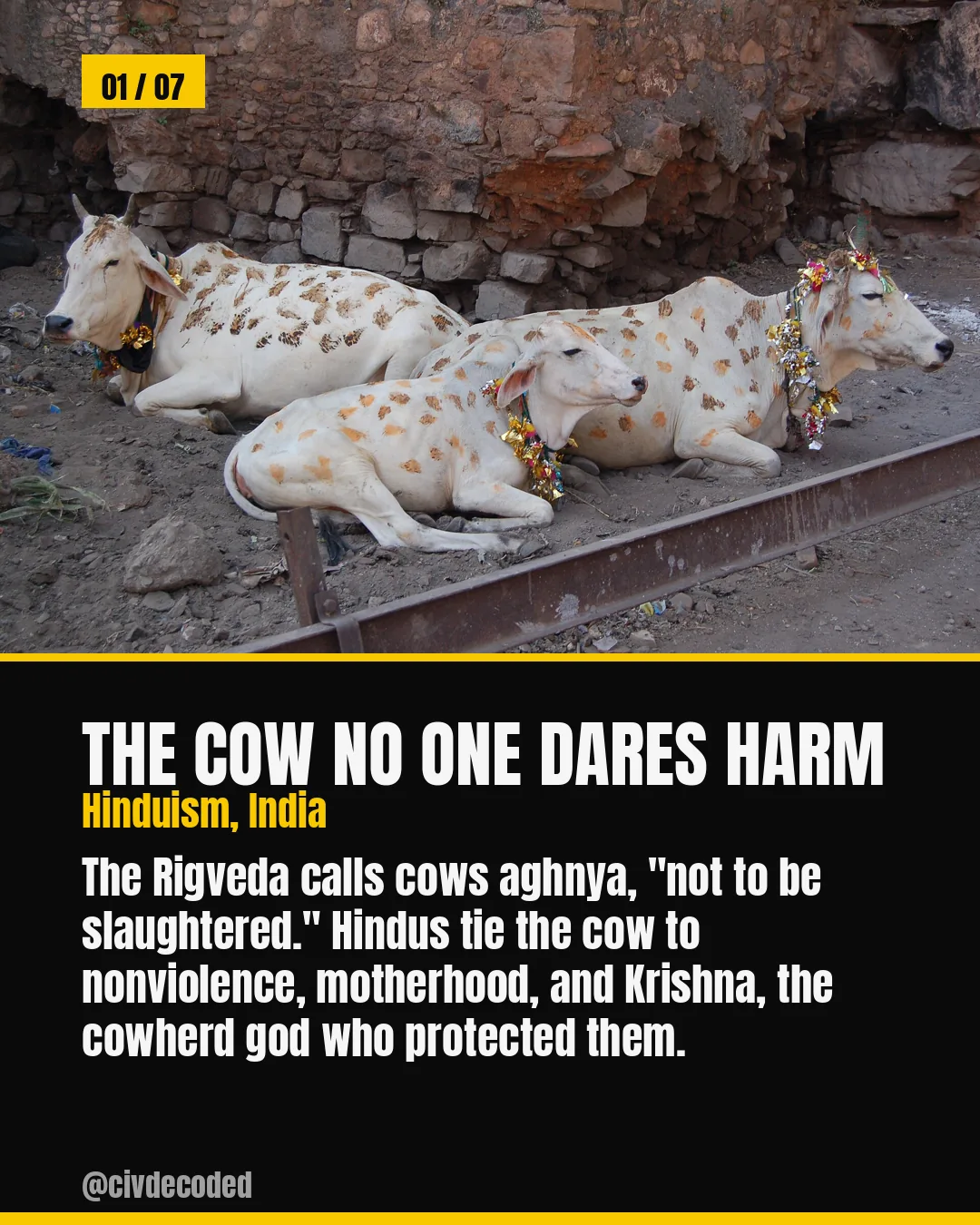
The Cow No One Dares Harm — Hinduism, India: the Rigveda calls cows aghnya, "not to be slaughtered," tied to Krishna the cowherd god.
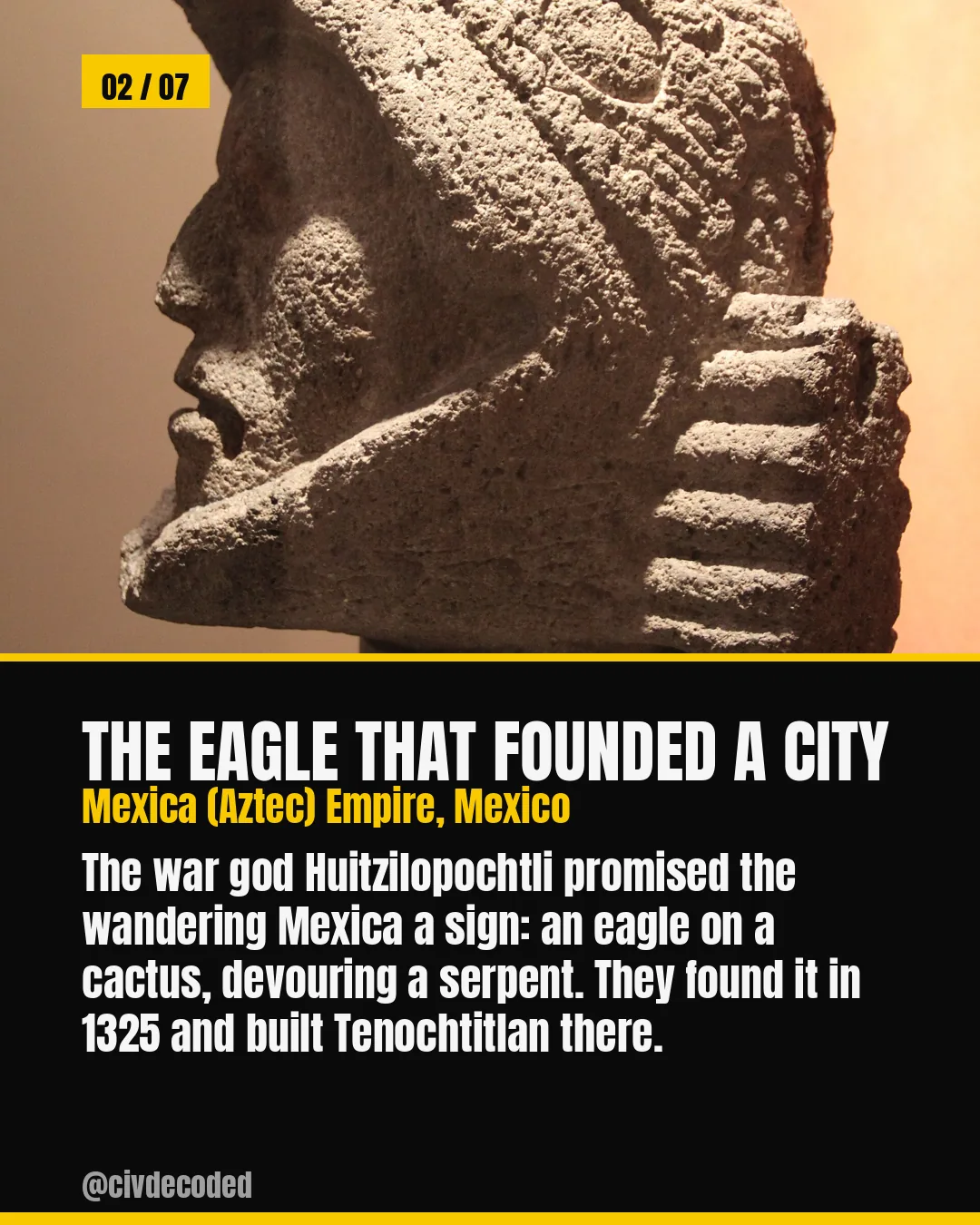
The Eagle That Founded a City — the Aztec Mexica found the sign promised by Huitzilopochtli, an eagle on a cactus devouring a serpent, in 1325 and built Tenochtitlan there.
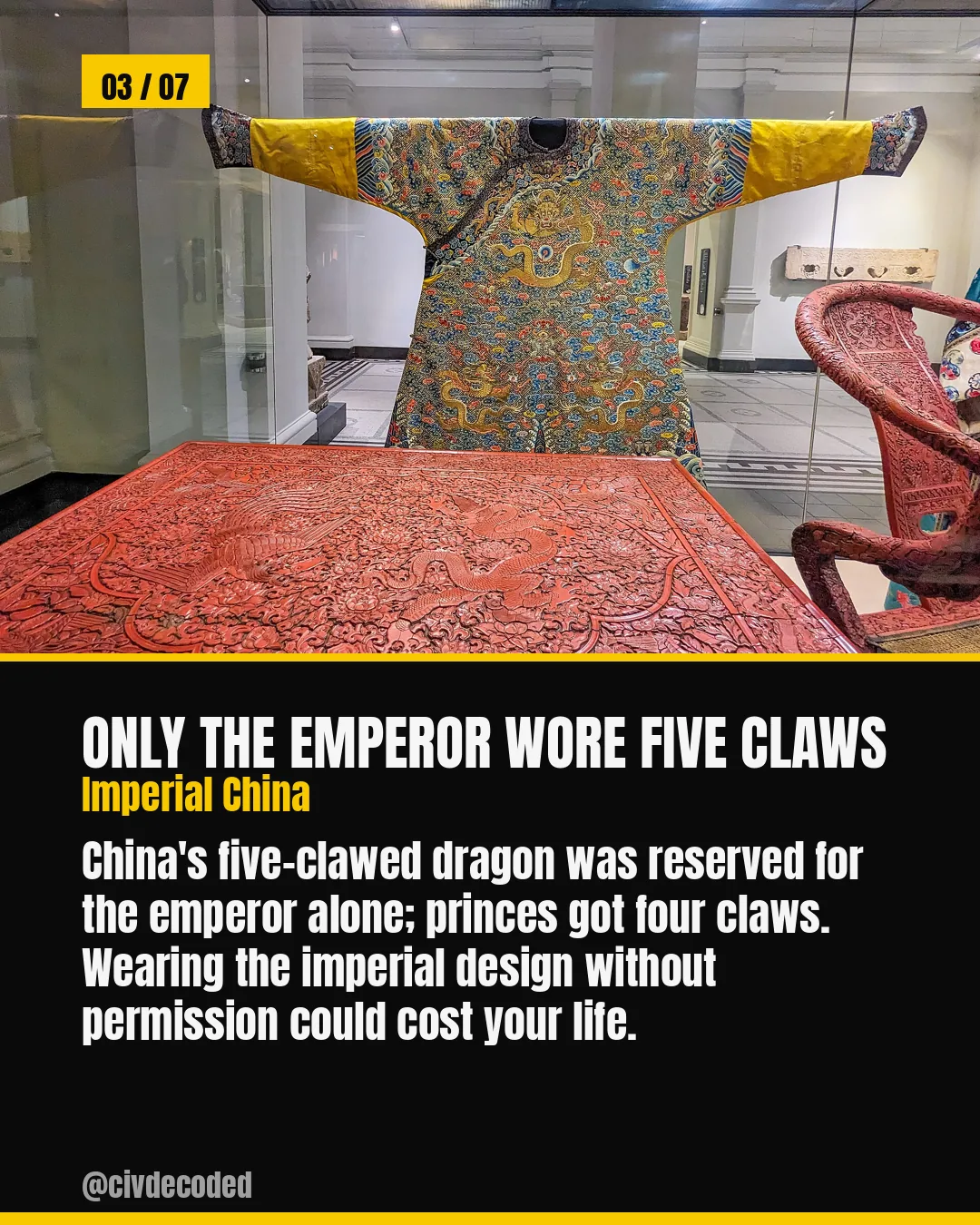
Only the Emperor Wore Five Claws — Imperial China reserved the five-clawed dragon for the emperor alone; princes got four claws, and wearing it without permission could cost your life.
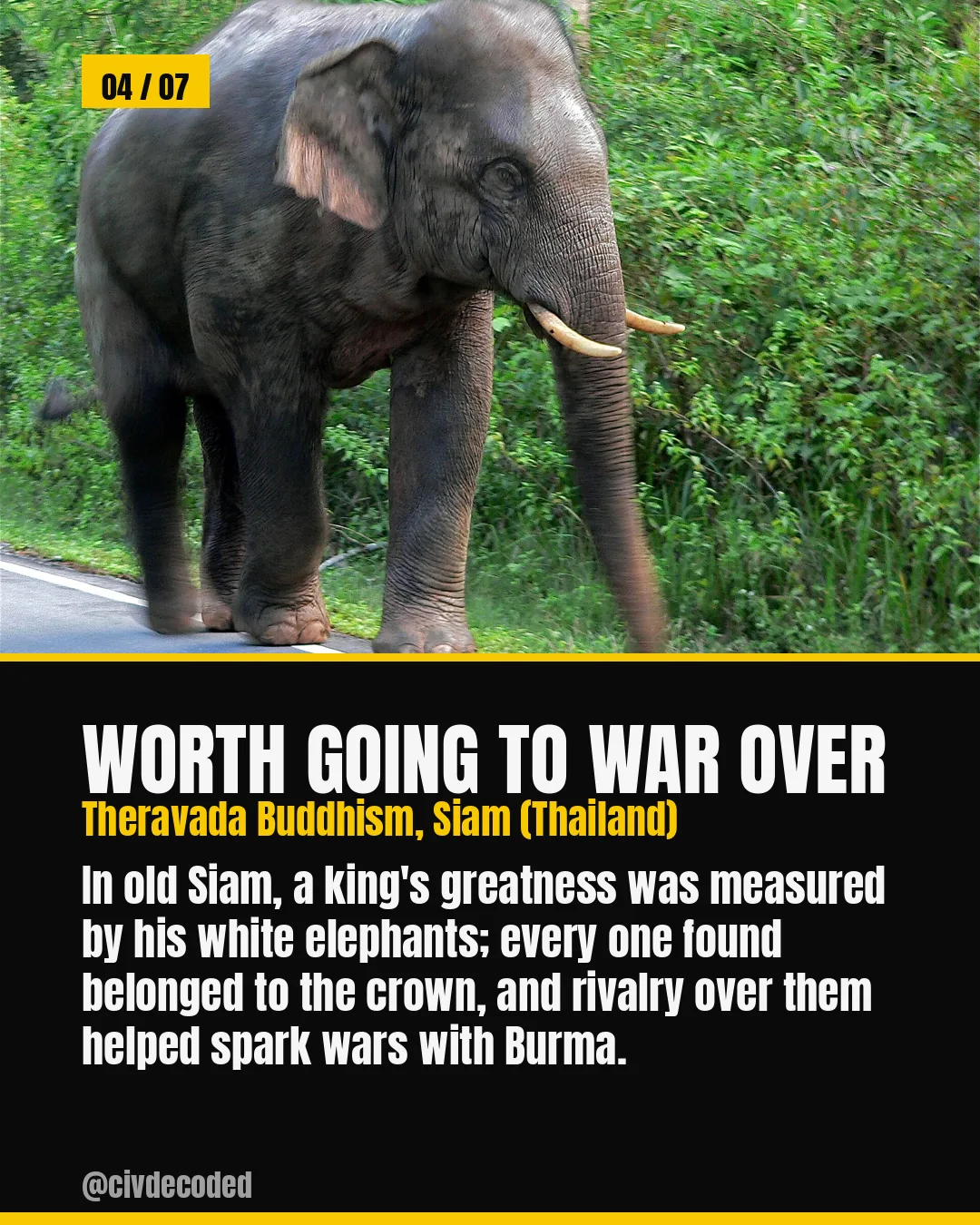
Worth Going to War Over — in old Siam (Thailand), a king's greatness was measured by his white elephants, and rivalry over them helped spark wars with Burma.
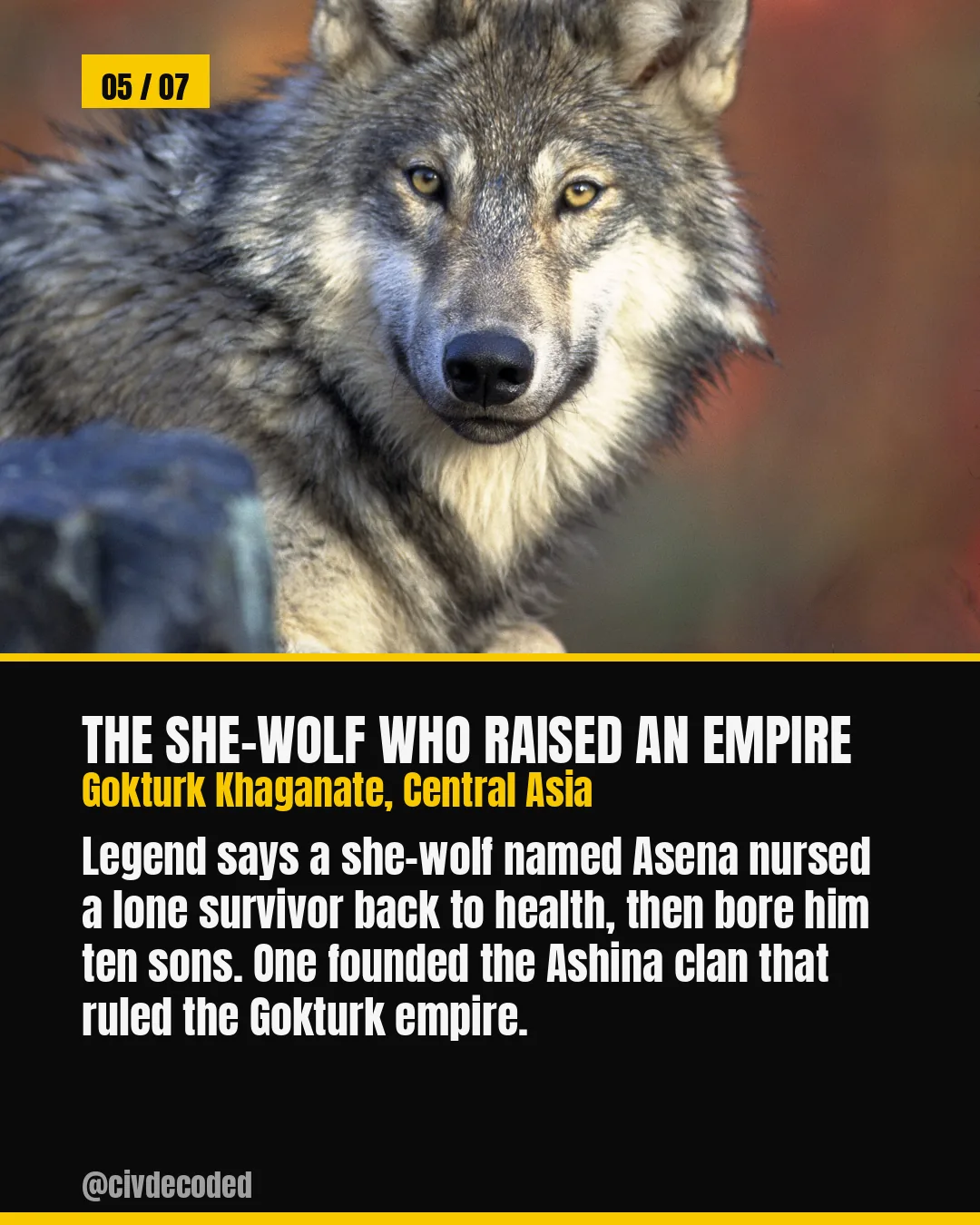
The She-Wolf Who Raised an Empire — Gokturk legend says a she-wolf named Asena nursed a survivor back to health and bore the ten sons who founded the ruling Ashina clan.
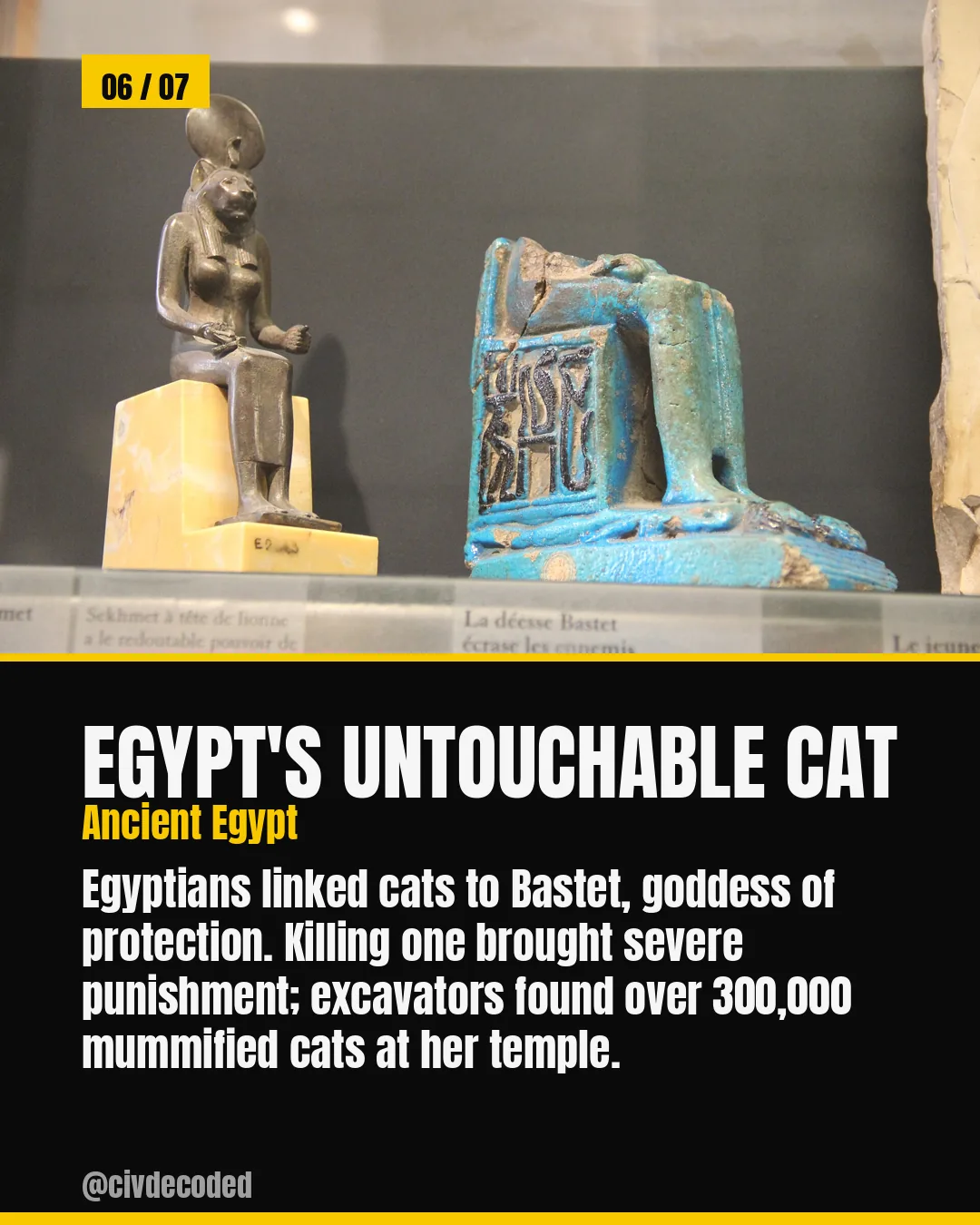
Egypt's Untouchable Cat — ancient Egyptians linked cats to Bastet, goddess of protection; excavators found over 300,000 mummified cats at her temple.
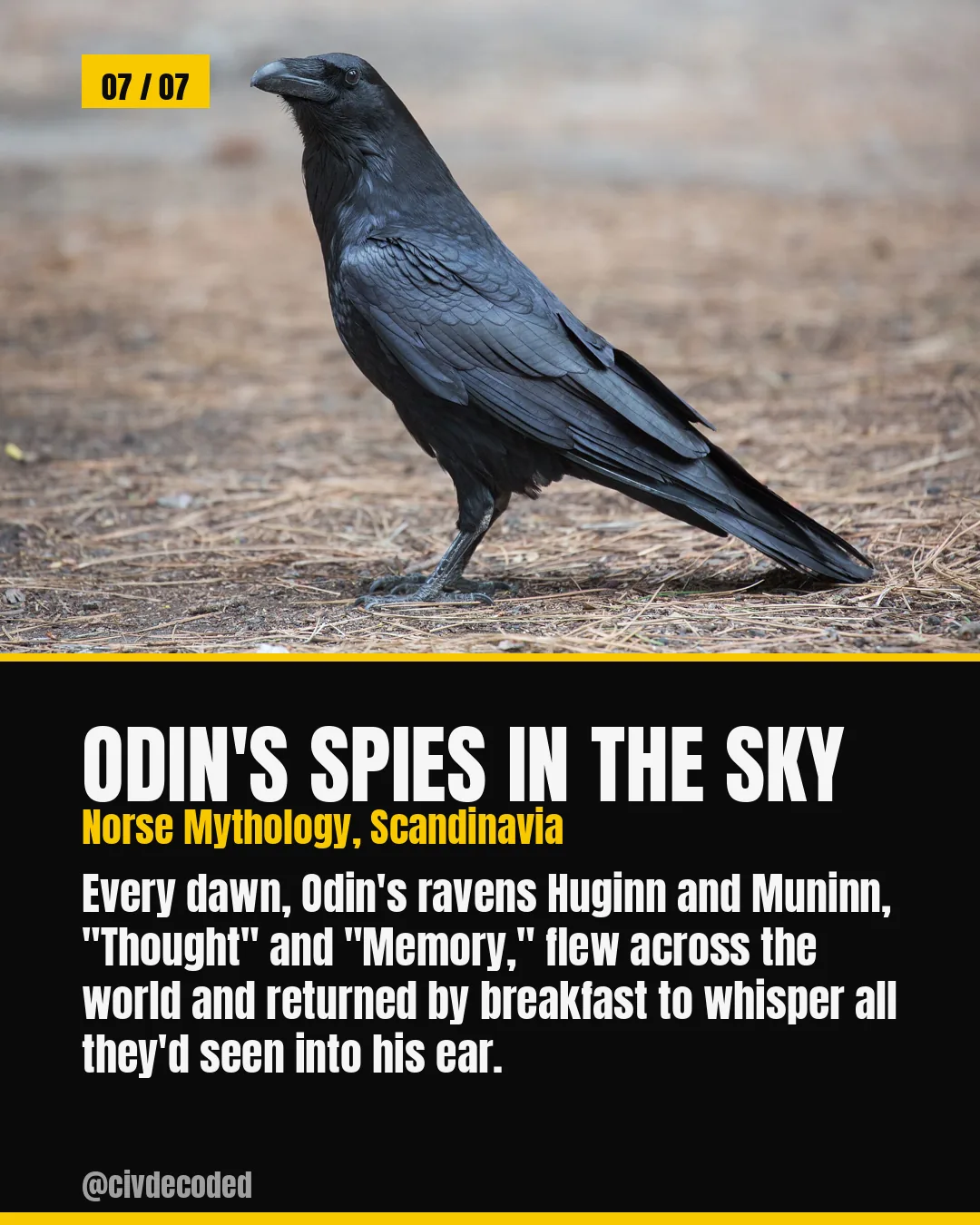
Odin's Spies in the Sky — Norse mythology's ravens Huginn and Muninn, "Thought" and "Memory," flew the world each dawn and returned to whisper all they'd seen into Odin's ear.
Follow CivDecoded for more history, decoded through data.

1 / 9

India's cows are aghnya, "not to be slaughtered," tied to Krishna the cowherd god. The Aztecs founded Tenochtitlan where they saw an eagle devouring a serpent on a cactus. Imperial China reserved the five-clawed dragon for the emperor alone. Siam's kings measured their greatness in white elephants, and rivalry over them helped spark wars with Burma. A she-wolf named Asena raised the ancestor of the Gokturk khagans. Egypt mummified over 300,000 cats for the goddess Bastet. And Odin's ravens, Huginn and Muninn, flew the world every dawn and returned to whisper everything into his ear.